When you reduce an image to a limited number of values, how you group those values matters just as much as how many you use. Most tools divide the grayscale into equal slices. Our tool takes a different approach: clustering values based on how they naturally group in your specific image.
The difference is immediately visible.
A Quick Visual Comparison
Same image, same 5 value levels—only the grouping method changes.

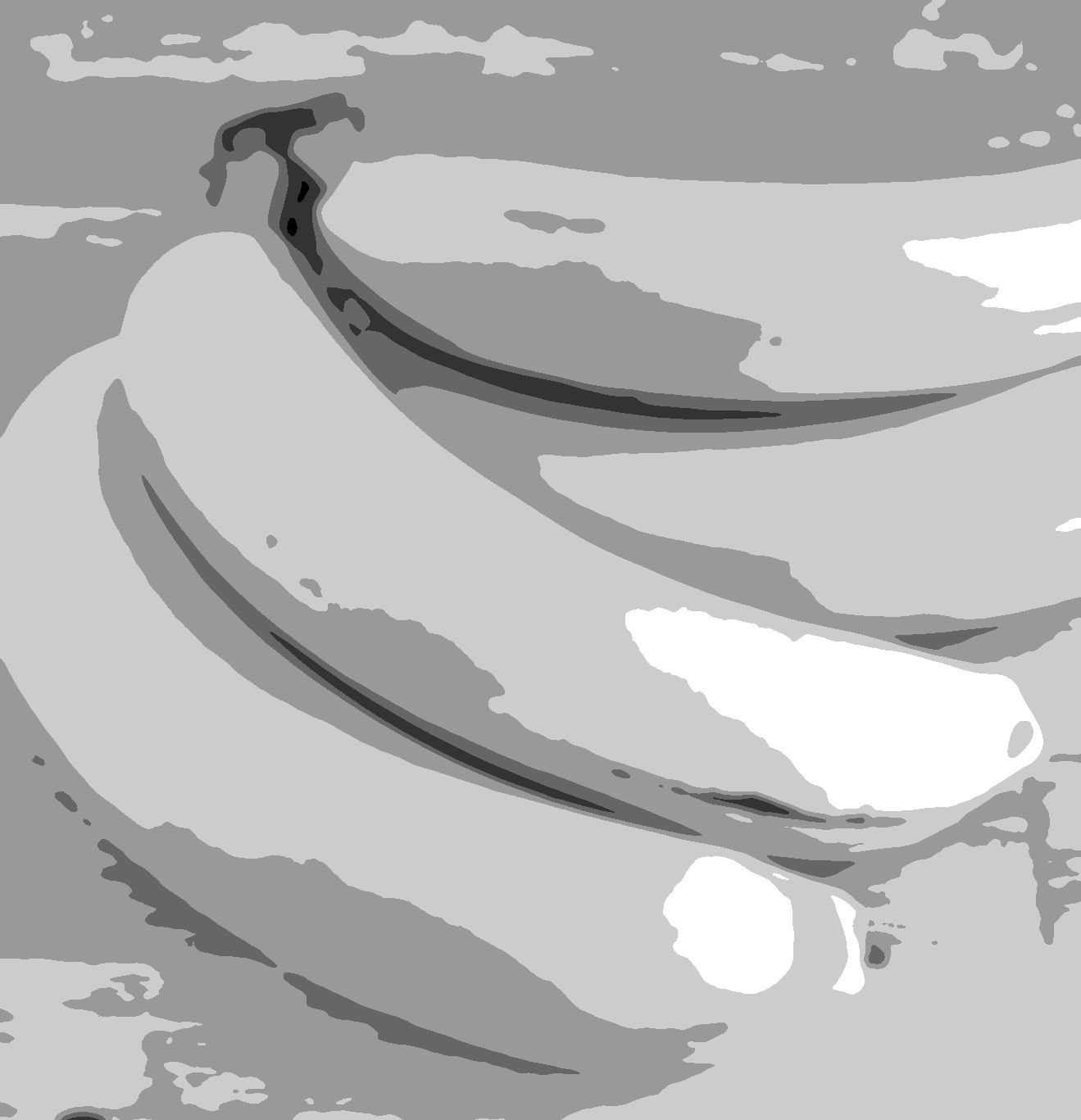
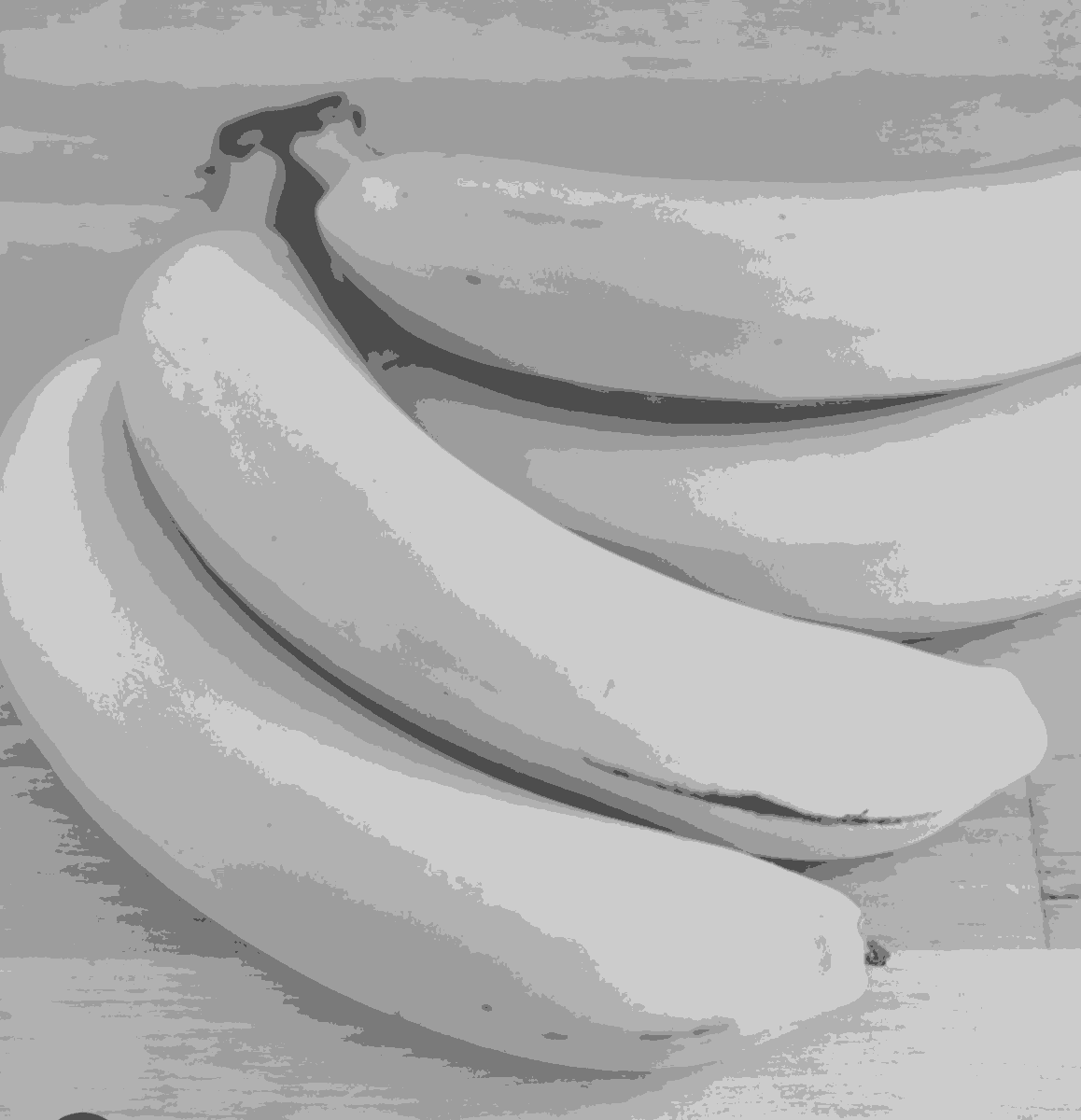
What to look for:
- Look for banding in smooth gradients (skin, sky, cloth).
- Check whether the major shapes read clearly or get fragmented.
- Notice how some areas seem artificially brighter or darker than in the original.
How Even Binning Works
Even binning divides the 0-255 grayscale range into equal slices. With 5 values, you get: 0-51, 52-102, 103-153, 154-204, 205-255. Simple math, predictable results.
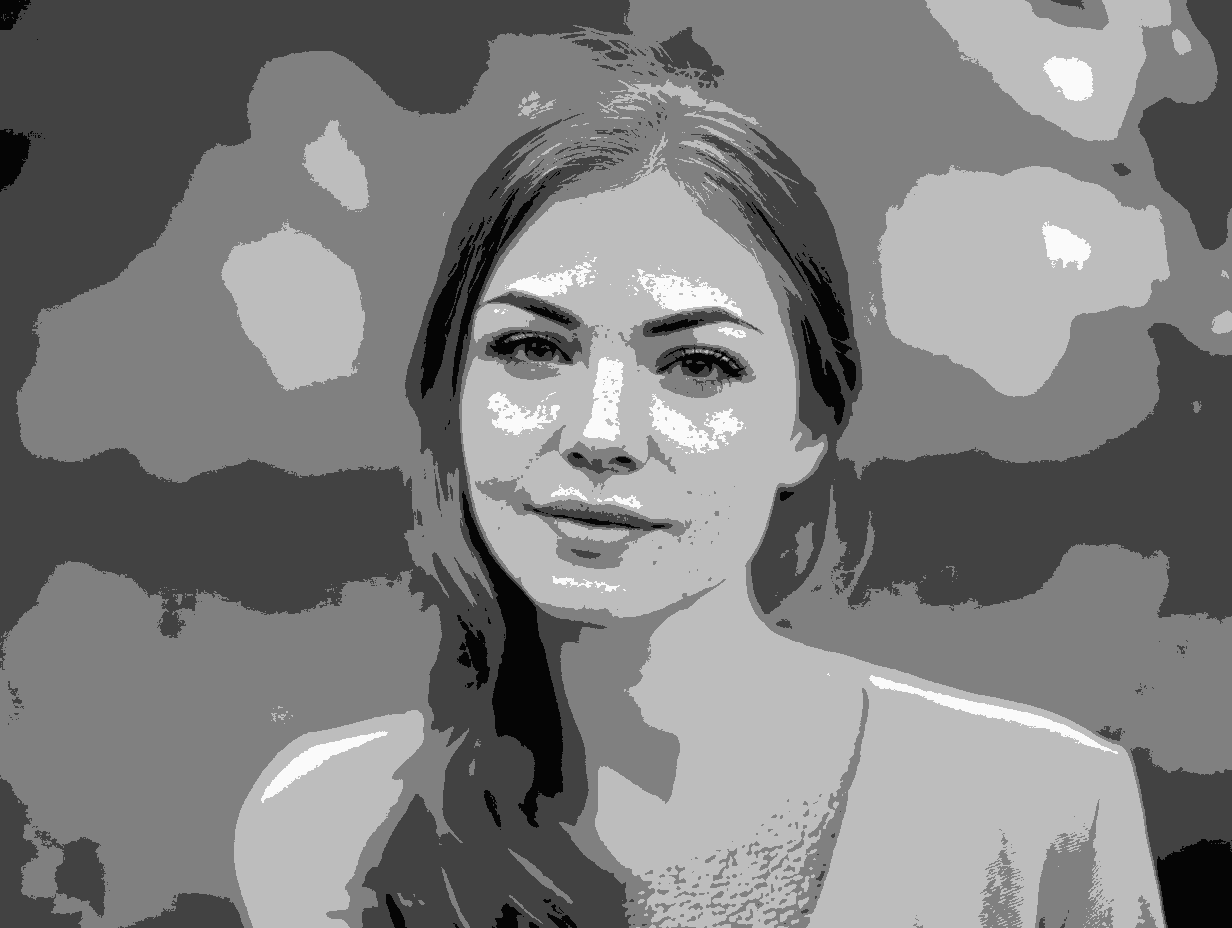
The problem? Your image doesn't care about math. A portrait might have 80% of its values clustered between 120-180. Even binning may lose all distinction within that band, while wasting bins on values that barely exist in the image.
How Clustering Works
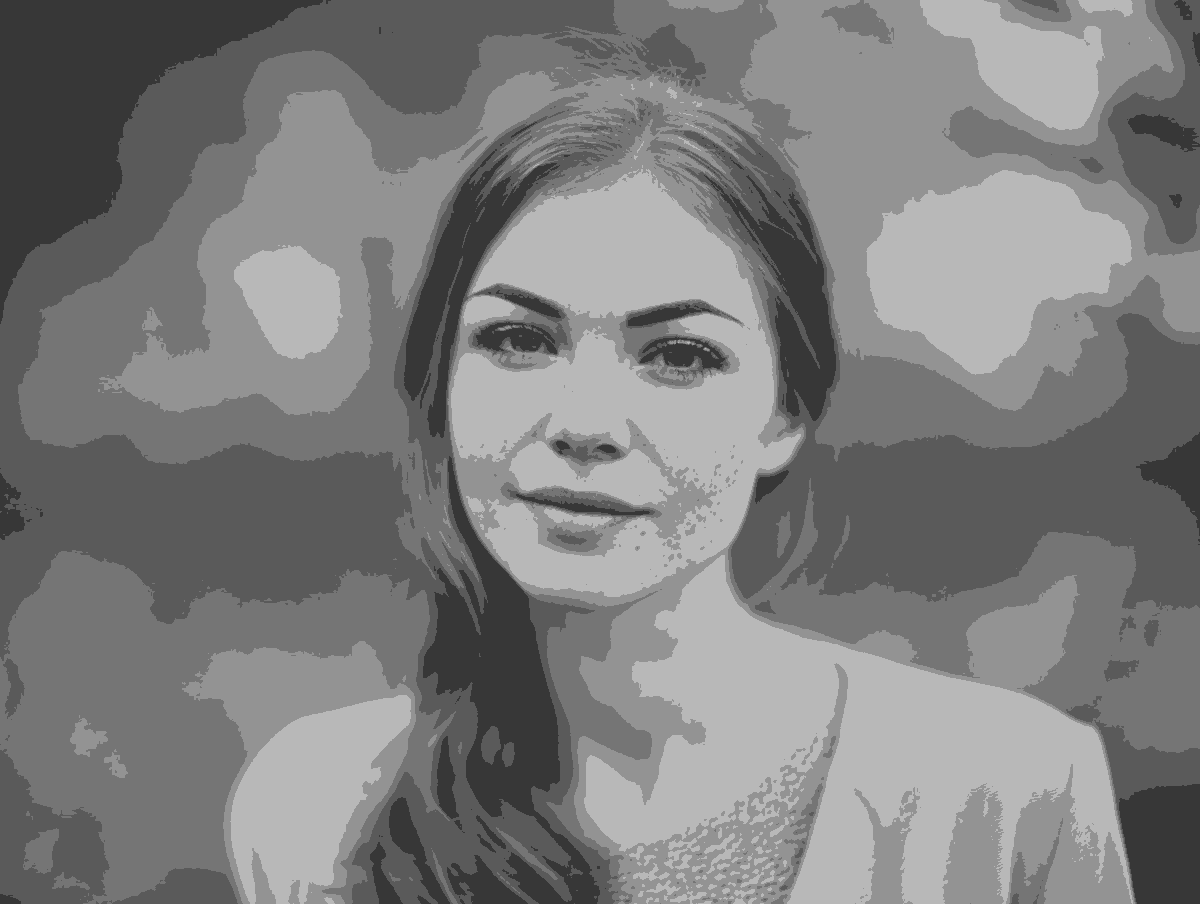
Clustering looks at the actual values in your image and finds natural groupings. It asks: "Where do values actually cluster?" rather than "How can I divide 255 evenly?"
The result: value boundaries that respect the natural breaks in your image. Shadows stay unified. Skin tones don't band. The big shapes—the ones that matter for painting—stay intact.

Why This Matters for Painting
When you're blocking in a painting, you need to see the big value masses. Even binning artificially pumps some values up and some down, and the image may not look as realistic. You end up painting stripes instead of forms.
Clustering preserves the relationships that matter:
- Light areas stay unified even with subtle variation
- Shadow masses hold together as single shapes
- Transitions feel natural rather than stepped
Try It Yourself
Load any portrait or landscape into the Value tool. Toggle between different value counts and notice how the major shapes respond. With clustering, adding or removing a value level changes the groupings intelligently rather than just shifting arbitrary boundaries.