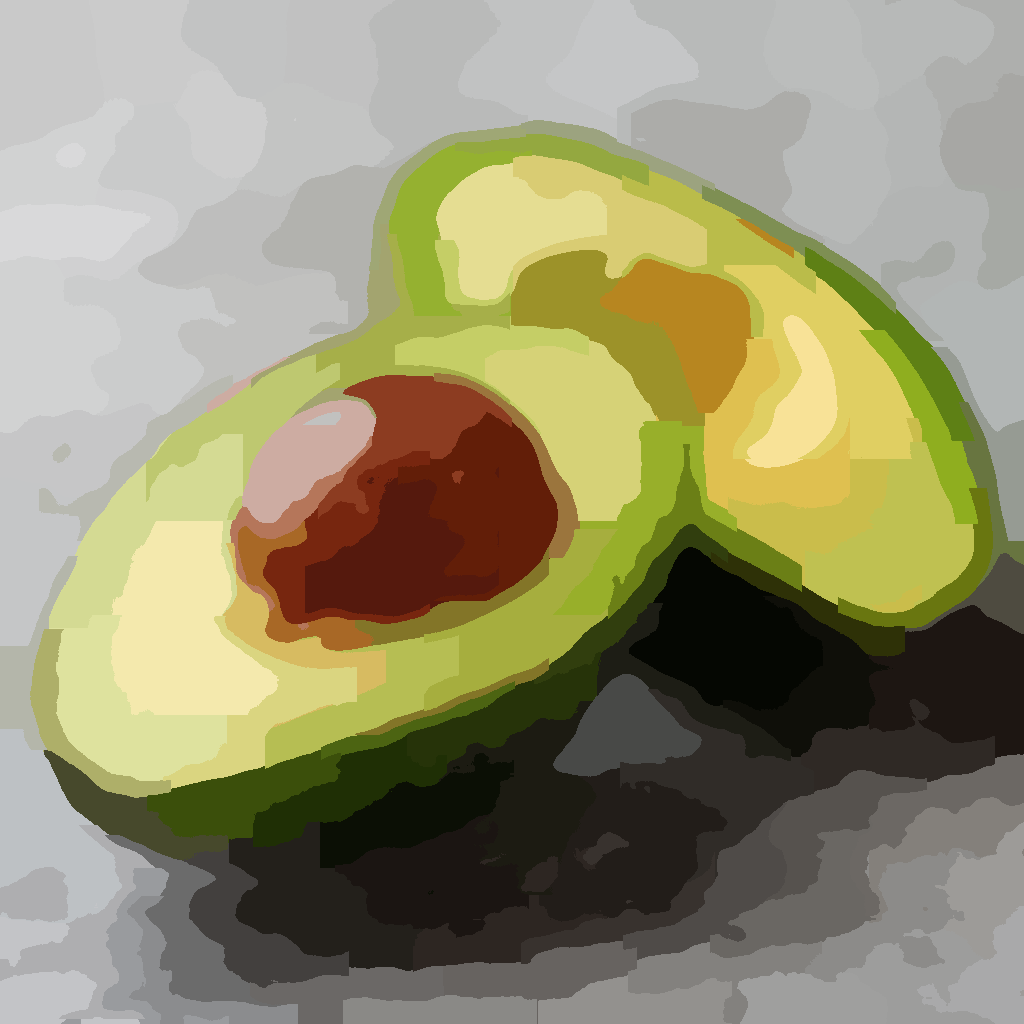
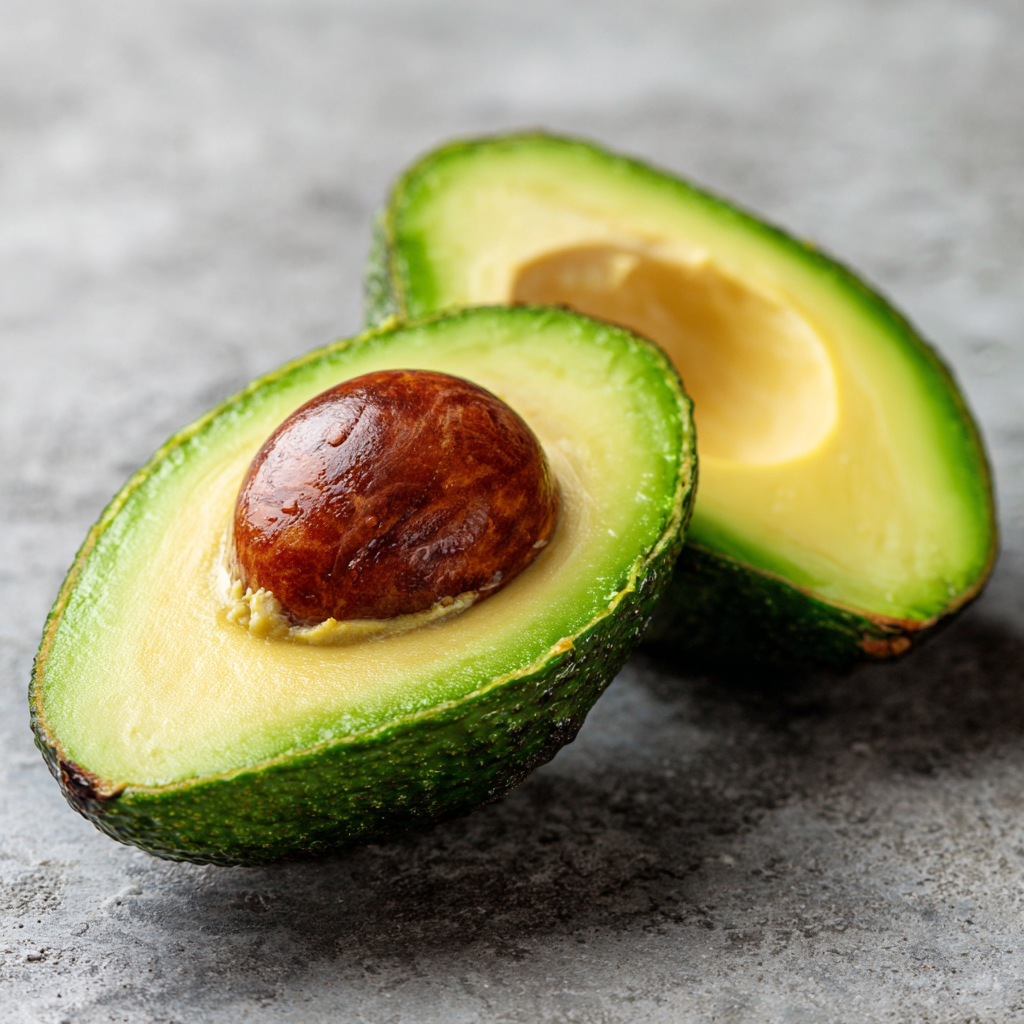
Use this free image and photo simplifier to reduce any reference image to its essential colors and shapes before you paint.
"Simplify, simplify, simplify."
Every art teacher says it. Every master painter does it. The ability to see past the details and find the essential shapes is what separates confident paintings from overworked ones.
The image simplifier gives you multiple ways to simplify reference images and photos, so you can see the underlying structure before you start painting.
When you look at a photograph, you see thousands of colors, subtle gradations, and endless detail. Your brain processes it all instantly. But when you try to paint it, that complexity becomes overwhelming.
Simplification helps you:
Most image simplifiers blur details or reduce colors randomly. Our tool simplifies reference images while preserving the major color shapes artists actually paint.
This lets you see the dominant color masses in your subject before you start painting.
Professional artists often start with simplified studies before tackling a full painting:
Our Simplifier shows you exactly what your block-in should look like. Each simplified region becomes a shape you can paint confidently, knowing you're capturing the essential structure of your subject.
Image Simplifier works alongside our other free tools:
The goal isn't just to simplify images - it's to train your eye to see simplification naturally. The more you practice seeing the big shapes, the easier it becomes to find them in any scene.
Study master paintings with simplification turned on. You'll see how great artists organized their work into clear, readable shapes - even in highly detailed finished pieces.
Free image simplifier for artists. No signup required. Runs in your browser.
Open Image Simplifier